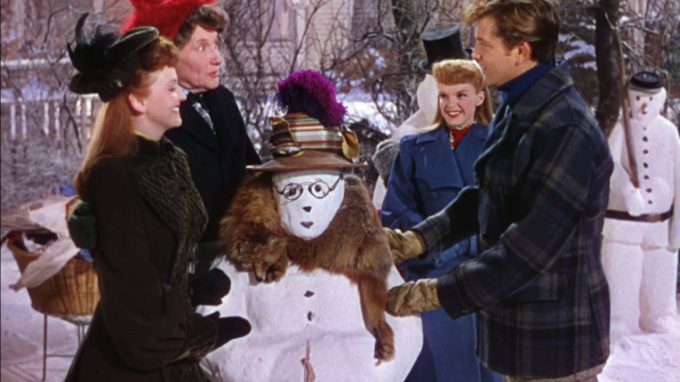
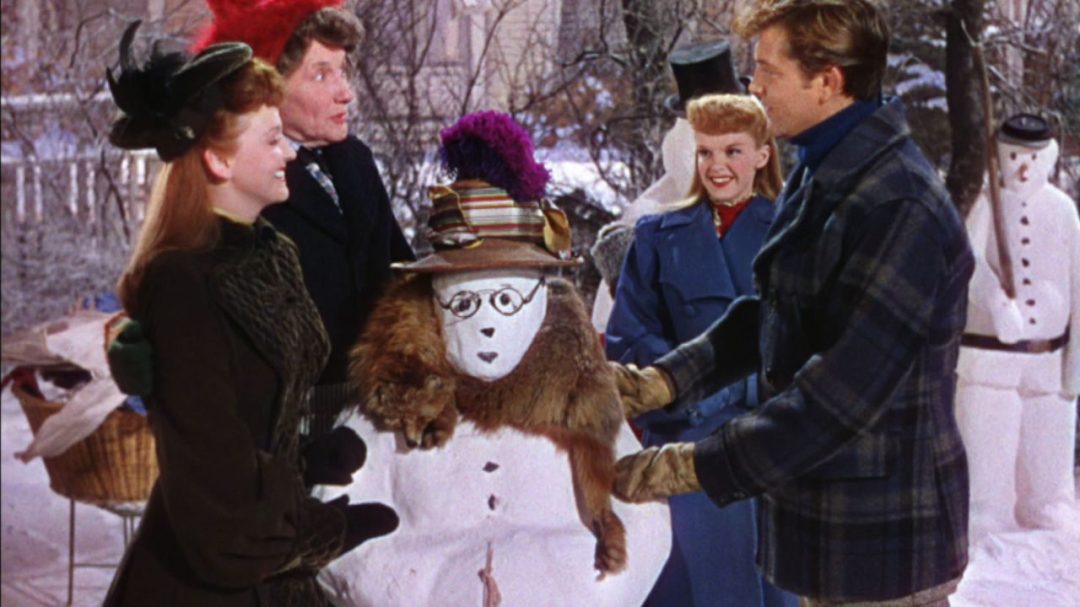
Meet Me in St. Louis: The Sundae Presents, Episode 42

Ciara and Dean take a Christmas journey to St. Louis, Missouri with Judy Garland. They talk about wonderfully horrible children, the history of world’s fairs and whether John Truett is a neurodivergent king.

Meet Me in St. Louis The Sundae Presents

Listen on Spotify

Listen on Apple Podcasts

Listen on Amazon Music

Listen on Audible

Listen on Pocket Casts

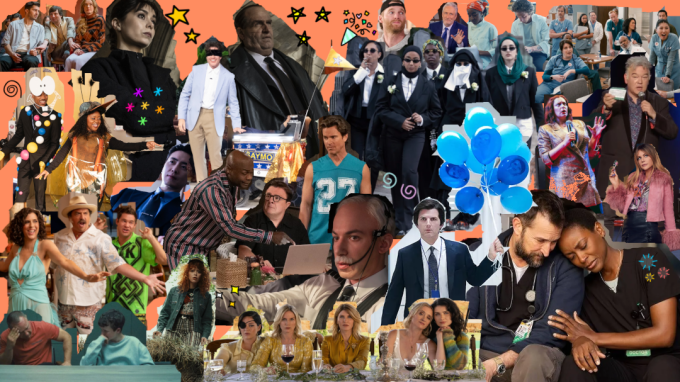
The Sundae TV Awards 2025

We watched probably as little new TV this year as we have since we started doing these awards, and just like last year, that’s mostly because we’re just busy. Ciara finished her PhD and is now officially Dr. Ciara Moloney, expert in the screen and stage works of Martin McDonagh. Dean broke more news stories, including one a government spokesperson had to respond to on the radio. In many ways, the TV landscape is no less disillusioning than last year, but as the world slides further into nightmare, the beautiful illusions still left to find are all the more precious. Some of them even feel like hope.

And no, we didn’t watch Andor, so stop asking.

These, as far as we’re concerned, are the best shows of the most recent TV season (June 2024 – May 2025). As well as the classic drama and comedy awards, we also have two awards for reality, variety and documentary television, including game shows, professional wrestling and whatever Eric Andre is doing at any given minute. We picked our winners by consensus, so only shows we both watched were eligible to win, but we each picked a runner-up, regardless of whether the other has seen it.

You can find each of our full slates of nominees at the bottom of the post. We recommend checking them out if you’re looking for recommendations.

Continue reading “The Sundae TV Awards 2025”

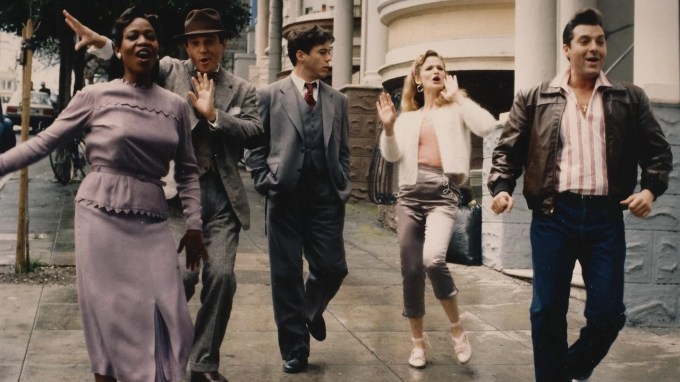
Heart and Souls: The Sundae Presents, Episode 41

Ciara and Dean are joined by legendary friend of the show, Conor Hogan, co-host of Friday Film Showcased. They talk about video van men, set up and payoff, and Robert Downey Jr being a vaudeville kid unstuck in time. Listen below.

Heart and Souls The Sundae Presents

Listen on Spotify

Listen on Apple Podcasts

Listen on Amazon Music

Listen on Audible

Listen on RadioPublic

Listen on Pocket Casts

How South Park is saving free speech in America

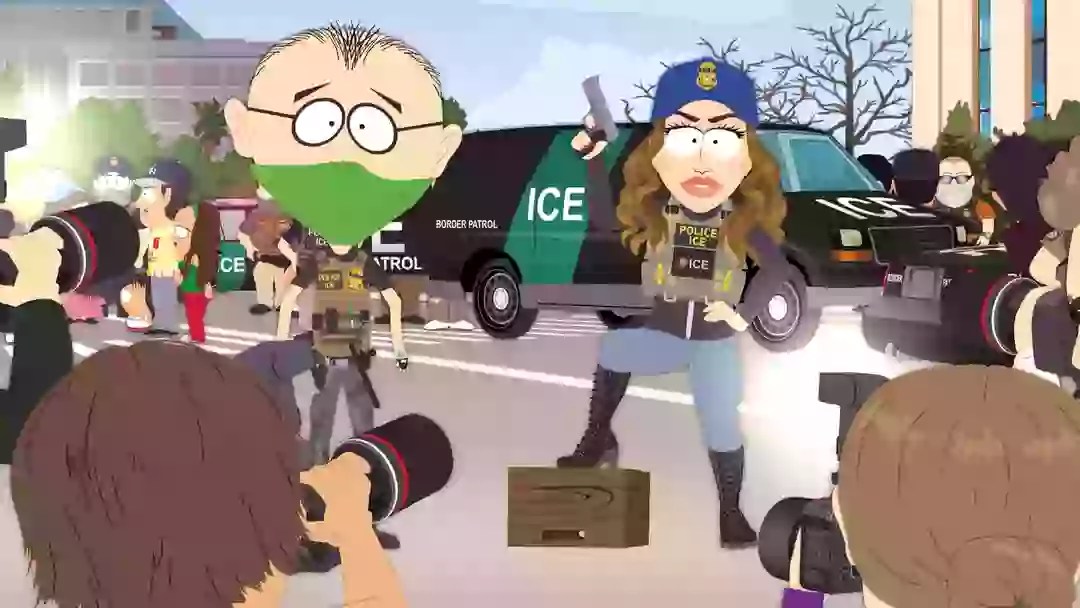
I was on the latest episode of the podcast The Bunker: News Without The Nonsense to discuss the new season of South Park, its criticism of Trump, and the show’s shifting place in the US culture wars. Listen below:

How South Park is saving free speech in America The Bunker – News without the nonsense

You can also find it on SpotifyApple, or wherever you get your podcasts.

If you want more of my South Park takes, check out this article I wrote for Current Affairs in 2023. An extract to whet your appetite:

In 2017, the two-headed monster of Donald Trump’s inauguration and South Park’s 20th anniversary prompted much hand-wringing over the show’s legacy. In the post-2016 rush to point fingers, a cartoon about the adventures of some potty-mouthed 8-year-old boys was made to bear at least some of the blame. Dana Schwartz tweeted that it was impossible to overstate the cultural damage of South Park’s portrayal of “earnestness as the only sin” and mockery as “the ultimate inoculation against all criticism”—and then, her point seemingly proven, she was descended on by trollsSouth Park didn’t invent the alt-right, Sean O’Neal wrote for The AV Club, “but at their roots are the same bored, irritated distaste for politically correct wokeness, the same impish thrill at saying the things you’re not supposed to say, the same button-pushing racism and sexism, now scrubbed of all irony.” For Lara Zarum in The Village Voice, the show’s misogyny—the creators “never seem content just to make fun of women; they relish sexually humiliating them, too, all while shunting the show’s female characters, young and old, to the maddeningly familiar role of disapproving nag”—is deeply tied to Hillary Clinton’s election loss. 

The consensus that seemed to calcify was that South Park’s corrosive influence on popular culture raised a generation of nihilistic trolls that revived American fascism for the lulz. At best, it inculcated a wilful apathy, political and otherwise. According to Lindsay Ellis, South Park creators Trey Parker and Matt Stone spent the whole 2000s “explaining that things were fine actually, both sides bad”: both symptomatic of, and feeding into, a wider apathetic cultural attitude towards social injustice in the 2000s. As Schwartz outlines, South Park has always skewered “both the left and the right—and anyone who believed in anything—as equally ridiculous. The smart people were those detached enough to know that everyone was full of it.”

There is some ring of truth to all this. The best of these critiques—like Zarum’s or O’Neal’s—are rooted in an acknowledgement that South Park is and has always been extremely funny, and that its cultural effect is not necessarily reflective of Stone and Parker’s intentions. But even still, a fundamental rift inevitably opens up between these arguments and my experience of the show itself.

The Art of Singing Badly

Armageddon is the kind of movie that people say “not that it’s a great movie or anything but…” before they say anything nice about it. It’s a Michael Bay movie about guys who work on an oil rig going to space to save the Earth from an asteroid, and therefore dumb, and therefore sucks. One day I’ll write about how it is a great movie, actually, because Michael Bay is a genius and he deserves his flowers after being treated as a critical punching bag for most of his career. But right now, I want to tell you about my favourite scene.

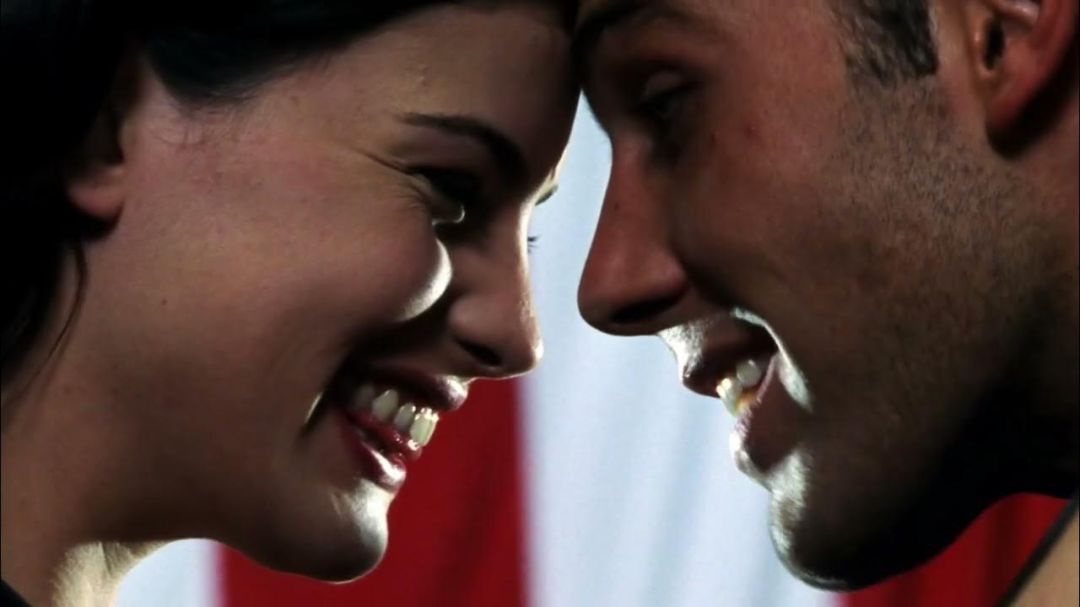
The oil workers, having been given a crash course in being astronauts, are about to board the rocket. They’re in their space suits. Harry (Bruce Willis) hugs his daughter Gracie (Liv Tyler) goodbye, promising to see her in a couple of days. Then Ben Affleck, who plays her boyfriend AJ, holds her close, swaying her in his arms as he sings: “All my bags are packed, I’m ready to go…” It’s ‘Leaving on a Jet Plane’, which manages to be fun and silly at a potentially tense moment, but also resonate as terribly romantic and bittersweet, heart utterly on sleeve. Affleck first sings in a quiet intimacy, forehead pressed to Tyler’s, and then belts with buoyant exuberance, sweeping her up off her feet.

He can’t sing worth a damn. It’s beautiful.

Continue reading “The Art of Singing Badly”

Friday Film Showcased Season 2 Preview: We’ve Only Just Begun… (To Live)

For many years, with regard to their film-watching, Ciara and Conor have been theming their months. On Friday Film Showcased (FFS to friends, and sometimes enemies), they look back on themes gone by.

Following a hiatus, Ciara and Conor are back for season 2 of Friday Film Showcased. Is this the first episode of the season? Is this the trailer/preview for the season? Listen and find out!

Featuring: Autumn Mvt 1 Allegro (Tony Vivaldi), performed by John Harrison with the Wichita State University Chamber Players, sourced from Free Music Archive under CC BY-SA license

Season 2 Preview: We've Only Just Begun… (To Live) Friday Film Showcased

Listen and subscribe onSpotify || Apple Podcasts || Amazon Music || Castbox || Overcast || Pocketcasts || Goodpods

Double Features #9: Back At It Again

This article is part of the Double Features series, which pairs great films that go great together. Check out previous installments here.

Hey there. It’s been a while.

I write about film and TV all the time. In Current Affairs or Crooked Marquee or Cineaste, for lectures and conference papers and podcast recordings. Sometimes I get paid, sometimes I don’t, but it is (at time of writing) the closest thing I have to a job. When Dean and I started The Sundae eight years ago, I would have said that was an impossible dream: ungraspable, barely glimpsable. Distant to the point of unreality.

I’m glad that it’s come true, of course. But there can be something alienating about it: I only write what I want to, but even to get paid the small-to-medium bucks, I have to shape my ideas around news pegs and audience expectations. When we started The Sundae, the only thing between me and the page was me (and Dean, thank God). And I didn’t have the time or space to decide what I wanted to say was neither clickable nor important – I had to write something new every fortnight, and, for reasons still unknown, everything we wrote was many thousands of words. Being a (semi-)professional is a dream come true, but there is a value in amateurism. Amateur, from the French: “one who loves, lover.” I don’t want to be such a professional that I cease to be an amateur.

When you move away, you still visit home. And as the internet transforms into a graveyard of bots and private equity, The Sundae only feels more and more like my online home. So let me say what every wayward child says and almost always means, even if they don’t follow through: I promise to visit more.

Let’s recommend some double features.

Continue reading “Double Features #9: Back At It Again”

Vast Wasteland or Fertile Soil?: Redefining TV’s Golden Ages

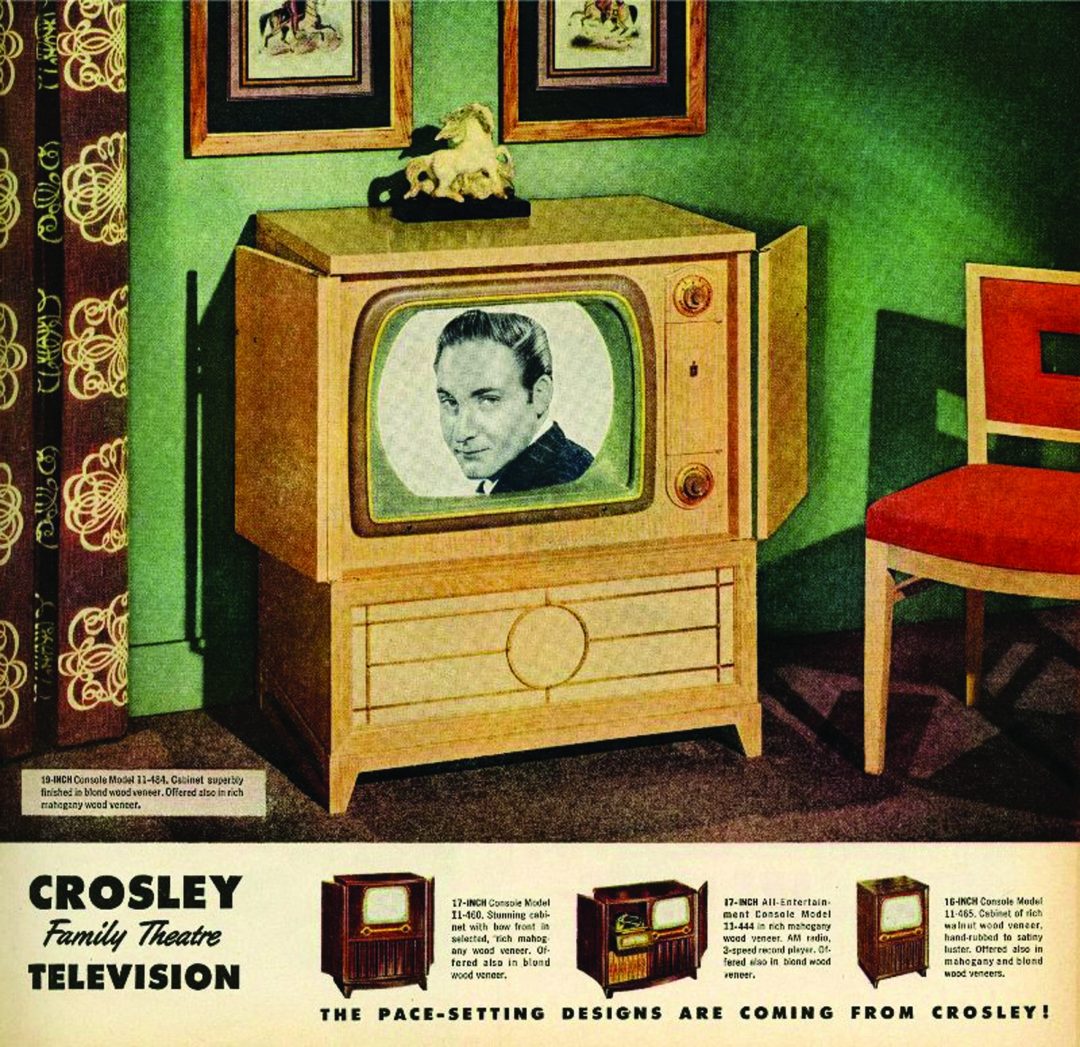
In 1961, newly appointed Federal Communications Commission chairman Newton N. Minow referred to American television as a “vast wasteland.” The New Yorker TV critic Emily Nussbaum referred to this as “the medium’s most famous libel”—one repeated as an adage of discerning viewers turning their nose up at television as a whole. As Nussbaum notes, however, Minow’s point was not to dismiss television as a medium; quite the opposite. He was mourning what he viewed as the public interest programming of television’s original Golden Age—“the much bemoaned good old days” of live teleplays on Playhouse 90 or Studio One, which had given way to “a procession of game shows, formula comedies…violence, sadism, murder, western bad men, western good men, private eyes, gangsters, more violence, and cartoons.”

A couple of decades later, I’m a little kid, cross-legged in front of the television. Like Carol Anne in Poltergeist (1982), I was in communion with the box. Awash in its glow, watching, rapt, until my eyes went square. American sitcoms and Australian soap operas. A procession of game shows, violence, and cartoons. Television had by then been long considered a disreputable medium—the kind people denied as an “art form”—but its glimmer has enchanted me my entire life. It was my first, and maybe truest, love.

I reviewed some books about the so-called Golden Age of Television in a feature article for Cineaste last year. You can buy the issue here, and it’s also archived on JSTOR!

The Sundae Film Awards 2025

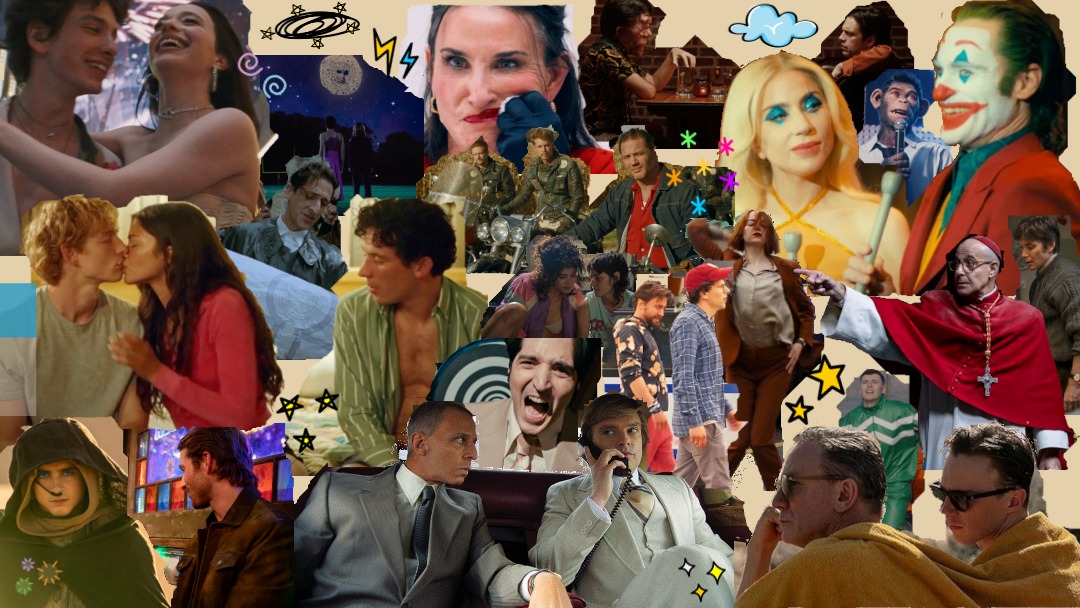
You don’t need us to tell you that 2024 was a terrible, horrible, no good, very bad year, but did you know that films came out during it also? We won’t hold it against if you forgot now that we’re two months that felt like years into a year that’s going to feel like decades. In fact, it’s the perfect reason to join us as we heap praise on the films that shone brightest through the dark. It was a great year for primates, body horror and homoeroticism, not to mention staring into the yawning abyss at the heart of American celebrity culture.

As with every year, we gave one award for each of the eight major Oscars: we care about most of the others (except for the fake awards like Best Original Song) but this post would be absurdly long if we picked those too. We each did out our personal nominees and then selected the winner by consensus, so the winners only come from films that both of us have seen and nominated, but we’ve each picked a personal runner-up regardless of whether the other has seen or nominated it. We also each gave a Special Achievement Award for something that doesn’t fit our other categories.

Continue reading “The Sundae Film Awards 2025”